 bornholm
bornholm
bornholm
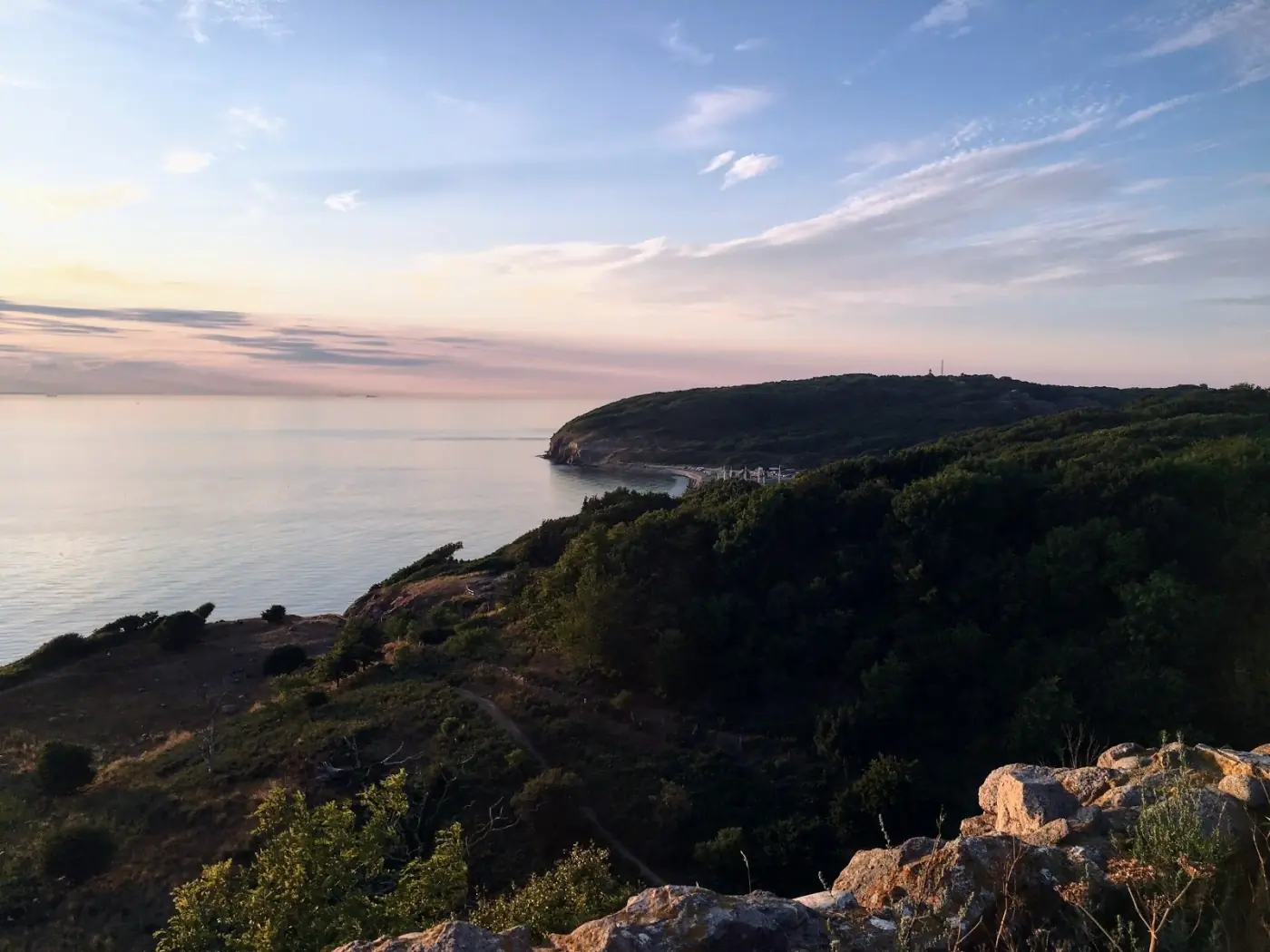
Granite cliffs, medieval round churches, smoked herring and the most hours of sunshine in Denmark. An independent travel guide to the island — written and localised in nine languages.
Every language edition is written for its own market — the ferry routes, the tone and the practical advice differ, because a traveller from Ystad reaches Bornholm very differently from one leaving Sassnitz or Køge.
A Danish island in the middle of the Baltic Sea, closer to Sweden and Poland than to Copenhagen — and geologically nothing like the rest of Denmark.
The north of the island is bedrock: cliffs, cracked valleys and Hammershus, northern Europe's largest medieval fortress ruin. The south turns into wide white beaches at Dueodde.
Østerlars, Nylars, Olsker and Nyker — twelfth-century whitewashed rotundas built as church, storehouse and fortress in one. There is nothing quite like them anywhere else.
Ferries run from Sassnitz in Germany, Ystad in Sweden and Køge near Copenhagen. The Ystad crossing is the fastest at around 80 minutes; there are also direct flights to Rønne.
May to September is the main season, with July and August busiest. Spring and early autumn bring quieter trails, cheaper crossings and the light the island is known for.